The Surveillance Creep Turning Ordinary Jobs Into Monitored Lives
By MHB Admin ·
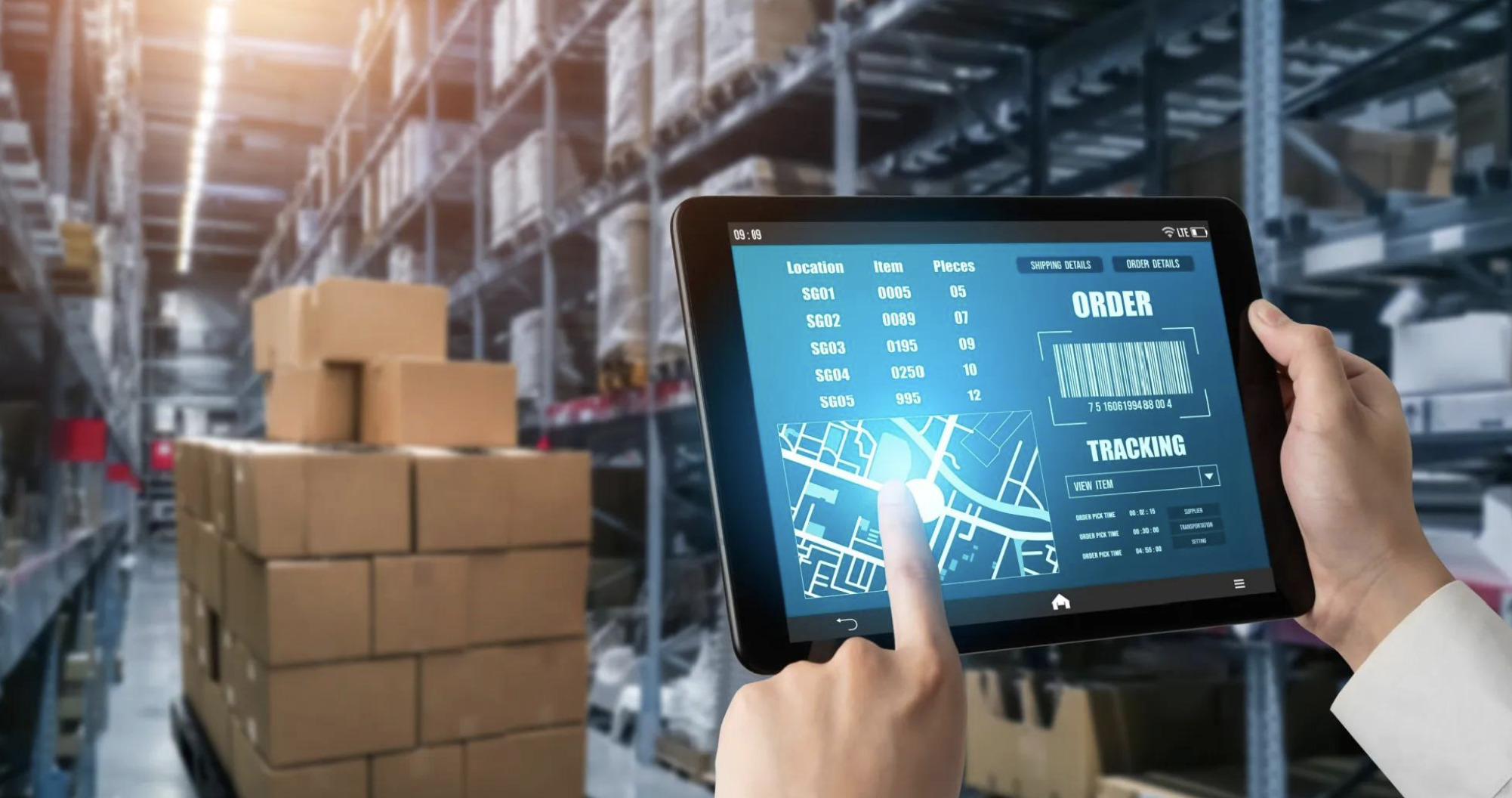
A generation ago, being watched at work meant a manager who could see your desk. Today it can mean software that counts your keystrokes, cameras that track your movements, scanners that time every task to the second, and algorithms that score your productivity and flag you when it dips. This is workplace surveillance, and it has spread far beyond the warehouse and the call centre into ordinary office jobs, remote work, and roles that were never previously monitored at all. It has done so quietly, framed as efficiency and safety, and largely without the public debate that a change of this magnitude should have provoked.
From the factory floor to everywhere
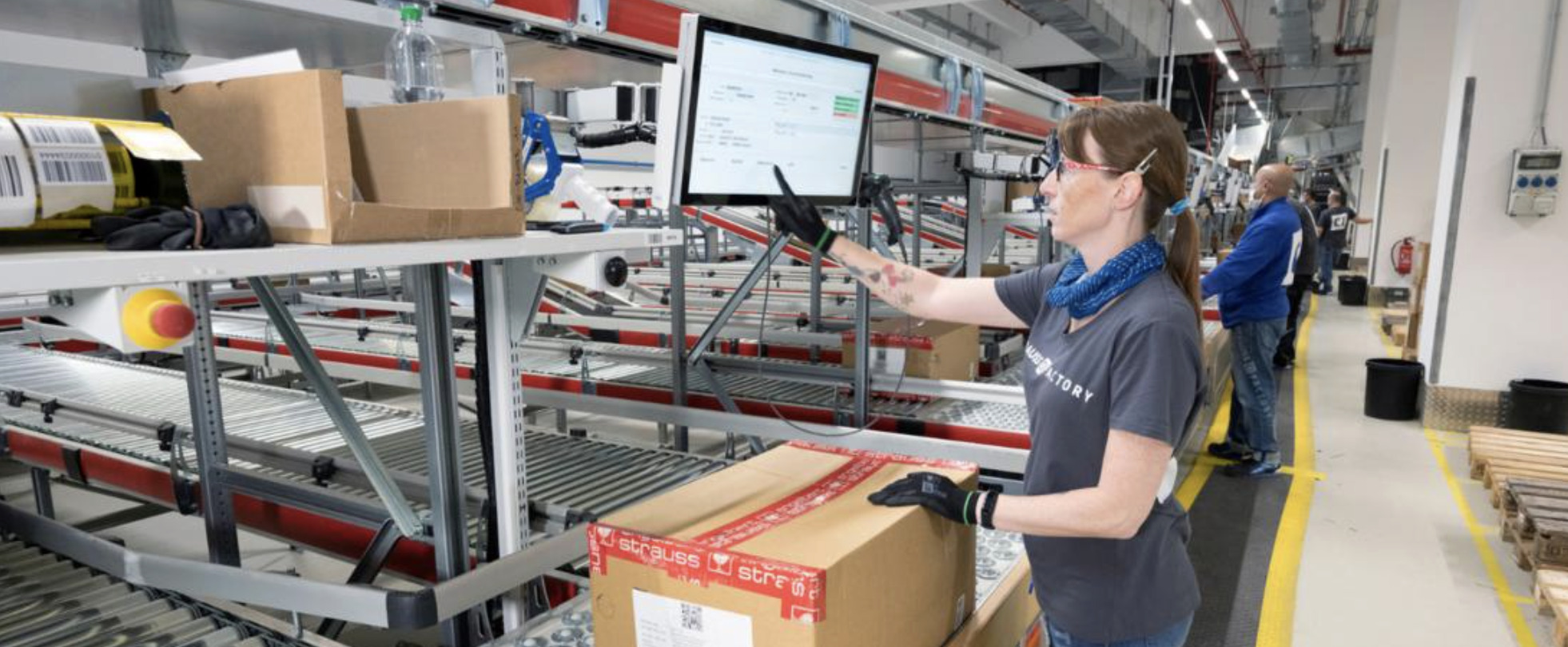
Monitoring workers is not new; the factory clock and the supervisor's clipboard are old tools. What is new is the scale, granularity, and reach of modern surveillance, and the way it has migrated from the settings where it was long normalised into ones where it never used to exist. The warehouse and the delivery route were early frontiers, where handheld scanners and route-tracking software turned physical labour into a stream of measurable data, timing every pick, pack, and stop against a target. The human cost of that regime — the relentless pace, the bodies pushed to keep up with the metrics — is a story we have examined in the context of high-speed warehouse operations.
But the tools did not stay on the warehouse floor. The same logic — measure everything, optimise relentlessly — has been packaged into software that any employer can deploy, and the pandemic-era shift to remote work accelerated its spread into white-collar jobs. Employers who suddenly could not see their staff reached for tools that could, and a market of "productivity monitoring" software rushed to meet the demand. What began in the settings where workers had the least power has become a general condition of employment, arriving in offices and home offices that assumed such scrutiny was for other people.
What the software actually watches
The capabilities of modern monitoring tools are more expansive than most workers realise, and the vagueness of the term "productivity software" conceals just how much it can capture. Depending on the system, it may log every keystroke and mouse movement, take periodic screenshots of a worker's display, track which applications and websites are used and for how long, record active versus idle time, monitor location through company devices, and compile all of it into a productivity score visible to management. Some systems use cameras and require workers to remain on screen; some analyse tone and sentiment in communications.
The crucial point is that this is not targeted investigation of a suspected problem; it is continuous, blanket monitoring of everyone, all the time, as a default condition of the job. The data is granular enough to reconstruct not just what a worker produced but how they spent nearly every minute, and it is retained, aggregated, and analysed in ways the worker rarely sees. A tool sold to managers as a simple efficiency dashboard is, from the worker's side, a permanent record of their every action during working hours — and increasingly, given the blurred lines of remote work, a window that does not always close cleanly when the workday ends.
Efficiency as the universal justification
Surveillance of this kind is almost always justified in the language of efficiency, productivity, and, where physical labour is involved, safety. These framings are not entirely hollow — there are genuine operational uses for some monitoring — but they function to place the practice beyond debate, casting anyone who objects as opposed to productivity itself. The framing does a great deal of quiet work, converting a significant expansion of employer power over workers into a neutral-sounding matter of business optimisation.
What the efficiency framing obscures is the shift in the balance of power it represents. Continuous monitoring does not merely measure work; it disciplines the worker, who now labours under the constant awareness of being watched and scored. It shifts the relationship further toward the employer, who gains an unprecedented, always-on view of the workforce while workers gain nothing in return and often are not even told the full extent of what is tracked. Presented as a tool for measuring output, it operates as a tool for control — and the language of efficiency is precisely what keeps that reality from being examined too closely.
The costs that do not show up on the dashboard
The productivity dashboards that justify surveillance capture a narrow slice of reality and miss the costs that fall on the people being measured. Chief among them is the psychological toll of constant observation. Working under continuous monitoring is stressful in a specific, corrosive way; the awareness of being watched and scored at every moment produces anxiety, erodes the sense of autonomy that makes work bearable, and can drive workers to game the metrics rather than do their jobs well. People manipulate keyboards to register activity, prioritise measurable tasks over valuable ones, and hide the pauses that are a normal part of human work.
There is also a quieter cost to trust and to the texture of working life. A workplace built on surveillance signals, unmistakably, that workers are not trusted, and that signal reshapes the relationship. It discourages the discretion, initiative, and honest communication that healthy work depends on, replacing them with a defensive focus on appearances. And because the monitoring is often invisible or poorly disclosed, workers cannot even calibrate their behaviour to it fairly; they are judged by criteria they cannot fully see. These costs do not appear on any productivity report, which is precisely why they are so easily ignored by the systems that impose them.
The accountability gap
Perhaps the most striking feature of the surveillance creep is how little governs it. The spread of monitoring technology has far outpaced the rules meant to constrain it, leaving a gap in which employers can deploy invasive tools with minimal obligation to disclose, justify, or limit them. Workers frequently do not know the full extent of what is tracked, have no say in whether it is used, and have little recourse if the data is used unfairly against them. The asymmetry mirrors other quiet expansions of power we have traced, where the burden falls entirely on the individual while the institution operates largely unchecked — a pattern visible too in the machinery of wage theft that no one calls a crime.
This accountability gap is not inevitable. It reflects the fact that the technology arrived faster than the public conversation about it, and that the workers most affected tend to have the least power to resist. Closing the gap would mean, at minimum, transparency about what is monitored and why, limits on the most invasive practices, and a recognition that the workplace is not a zone where ordinary expectations of dignity and privacy simply evaporate. None of that requires opposing productivity; it requires refusing to accept that productivity justifies anything done in its name.
Conclusion
Workplace surveillance has undergone a quiet transformation, spreading from the settings where it was long normalised into ordinary jobs of every kind, and expanding in granularity until it can record nearly every action a worker takes. It arrives wrapped in the language of efficiency and safety, which places it beyond scrutiny even as it shifts the balance of power decisively toward employers. The costs it imposes — the stress of constant observation, the erosion of trust and autonomy, the corrosion of honest work — fall on the monitored and never appear on the dashboards that justify the monitoring. And it all proceeds within an accountability gap that leaves workers watched without their knowledge and judged without their say. The spread has been quiet by design. Naming it clearly, and insisting that being employed does not mean surrendering every expectation of dignity, is the necessary first step toward deciding, deliberately, how much of ordinary working life we are willing to hand over to the watchers.