How FOIA Became Slower, Weaker and Less Effective
By MHB Admin ·
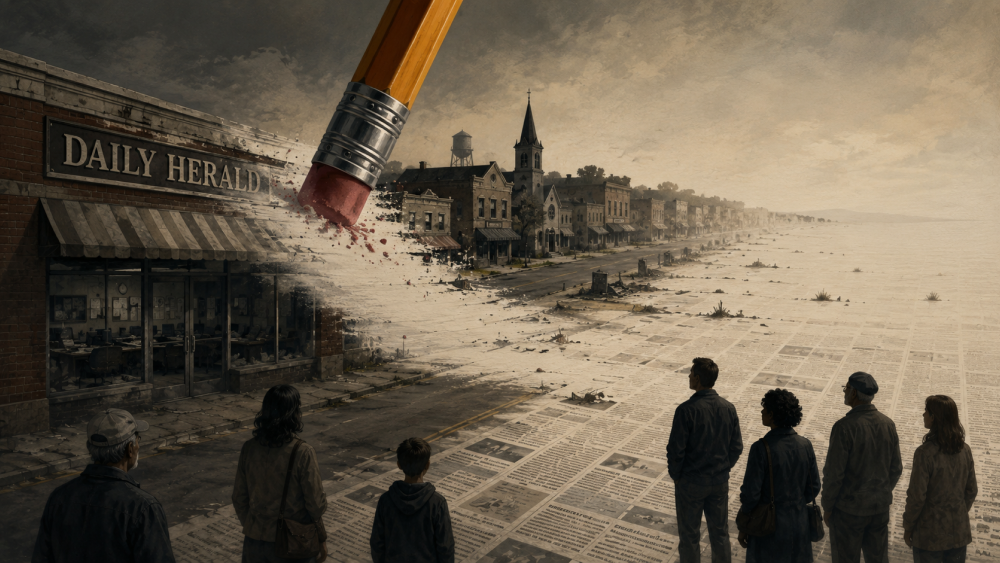
The Freedom of Information Act, signed in 1966, was built on a radical and democratic premise: that government records belong, by default, to the public, and that officials should have to justify keeping a document secret rather than citizens having to justify seeing it. The burden was supposed to fall on the state. For a window of years, the law worked something like that. What has happened since is not a repeal — no one has dared to repeal it — but something quieter and more durable. The right to know has been hollowed out from the inside, until the statute survives mainly as a promise the government is no longer required, in practice, to keep.
The most basic failure is time. FOIA gives agencies twenty business days to respond to a request. Almost nobody honors it. Requesters routinely wait months, often years; some die before their requests are answered. Across the federal government, the backlog of unresolved requests runs into the hundreds of thousands, a number that has tended to grow rather than shrink even as agencies report processing record volumes. A right that takes years to exercise is, for most practical purposes, not a right at all — certainly not for a journalist on a news cycle, a citizen with a grievance, or a researcher with a deadline. Delay does the work that an outright denial would do, without the embarrassment of having to say no.
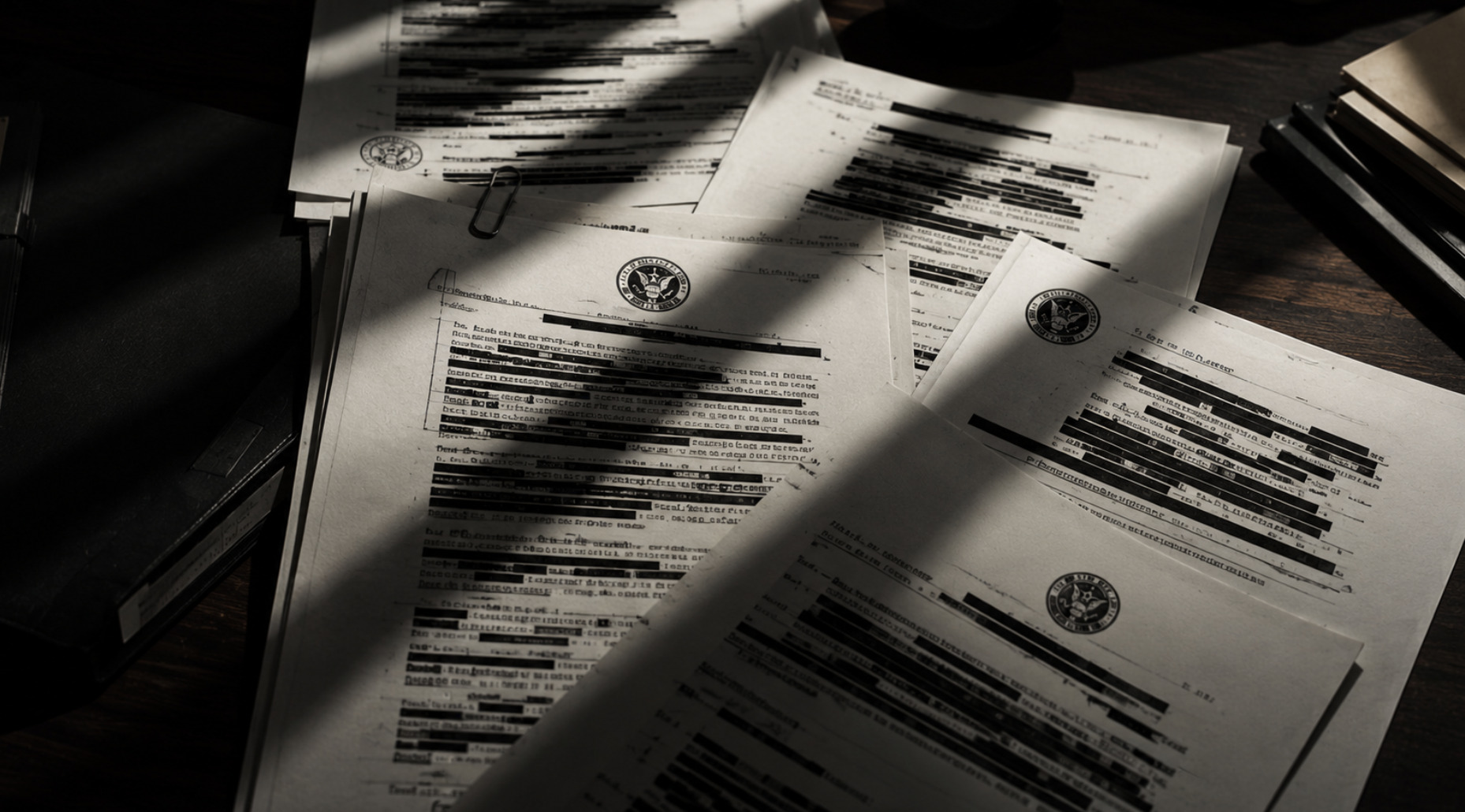
When agencies do respond, the second mechanism takes over: the exemptions. FOIA contains nine of them, several entirely legitimate — genuine national security, personal privacy, ongoing investigations. But exemptions are elastic, and the most notorious of them, the so-called deliberative-process exemption that shields internal government discussion, has been used so expansively that transparency advocates have nicknamed it the "withhold it because you want to" exemption. Couple that with aggressive redaction — pages released as solid blocks of black — and the "Glomar" response, in which an agency refuses even to confirm or deny that a record exists, and an agency inclined to disclose nothing has a deep menu of legal ways to disclose nothing while remaining, on paper, fully compliant.
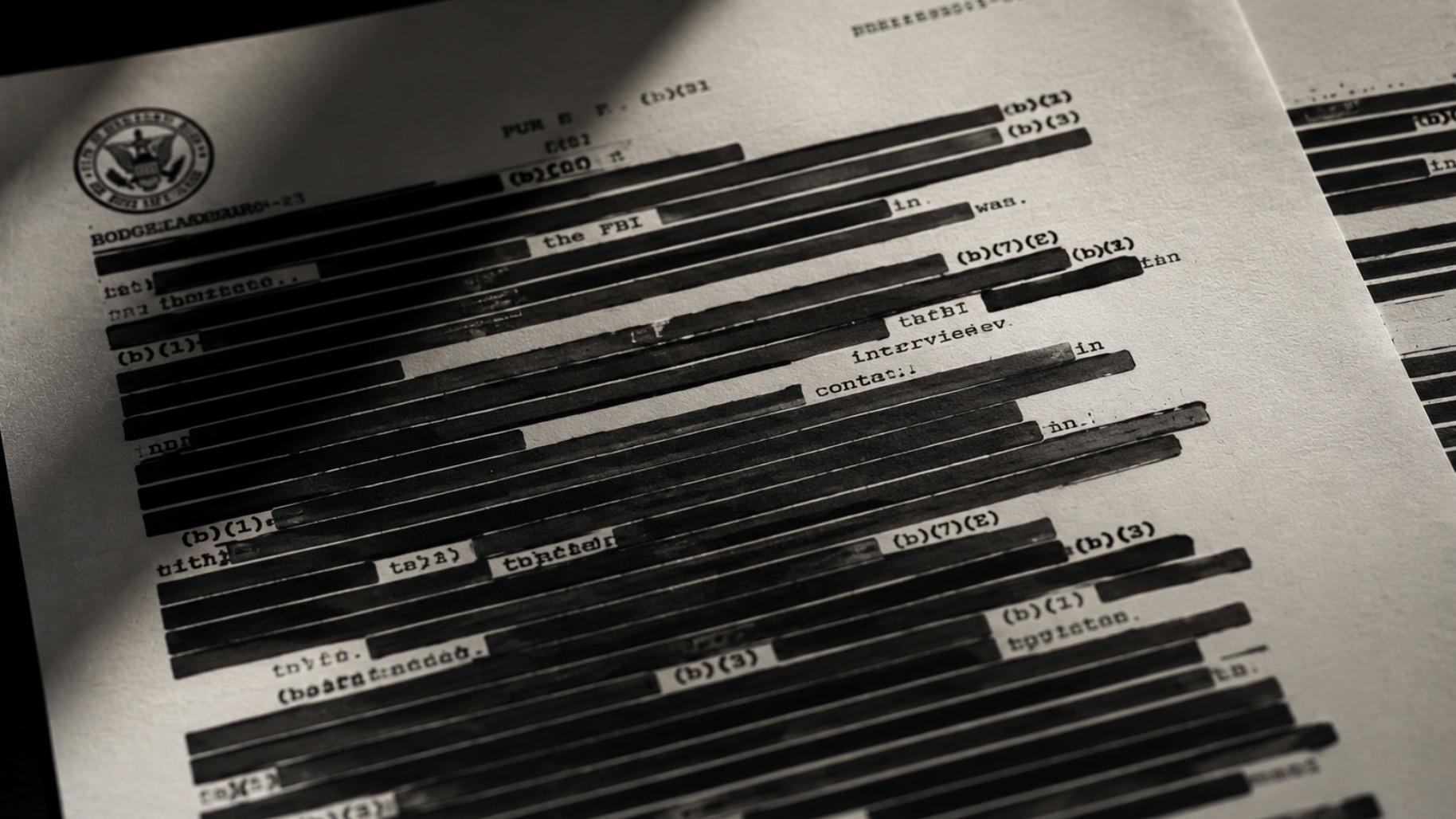
The genius of the system, if that is the word, is that none of it looks like censorship. There is no banned book, no seized newspaper, no official standing at a podium refusing the public's questions. There is only process: a queue, a form, a fee estimate, a partial release scheduled for some indefinite future, an appeal that will itself take years. Each step is defensible in isolation. The cumulative effect is a transparency regime that produces the appearance of openness while reliably failing to deliver the substance, and that does so through the most boring instruments imaginable. Secrecy by paperwork attracts no protests, because there is nothing dramatic to protest.
This is why the erosion goes largely unreported. The press relies on FOIA constantly, and journalists complain about it bitterly among themselves, but the failure is hard to turn into a story. "Agency missed a statutory deadline again" is true on any given day and therefore news on none of them. The successes get written up — the document pried loose, the scandal exposed — while the far larger universe of requests that were delayed into irrelevance, redacted into meaninglessness, or simply never answered leaves no trace in print. The wins are visible and the losses are silent, which gives the public the comforting and false impression that the system basically functions.
It does not basically function, and the consequence reaches beyond any single withheld file. A transparency law that works only sporadically, and mostly for the well-resourced organizations that can afford to litigate, produces a government that is accountable in theory and opaque in practice. Officials learn that an inconvenient record can be run out the clock. The deliberations that shape policy, the communications that reveal motive, the data that would let citizens check official claims — all of it becomes accessible in principle and unreachable in fact. And what cannot be retrieved cannot be remembered. A record that no one can obtain, or that arrives a decade late and three-quarters redacted, drops out of the public memory as surely as if it had been destroyed.
That is the deeper stake, and the reason this belongs to the category of power, transparency, and memory itself. FOIA was meant to be the public's instrument for holding the present accountable and preserving the evidence for the future. Letting it decay by attrition is a way of editing the historical record without ever appearing to touch it — not by burning documents, but by ensuring they are never quite released in time to matter. The law still stands. That is precisely what makes the hollowing so effective: the monument to openness remains, while the openness it promised quietly drains away behind it.