The Plea Bargain Machine That Quietly Replaced the American Trial
By MHB Admin ·
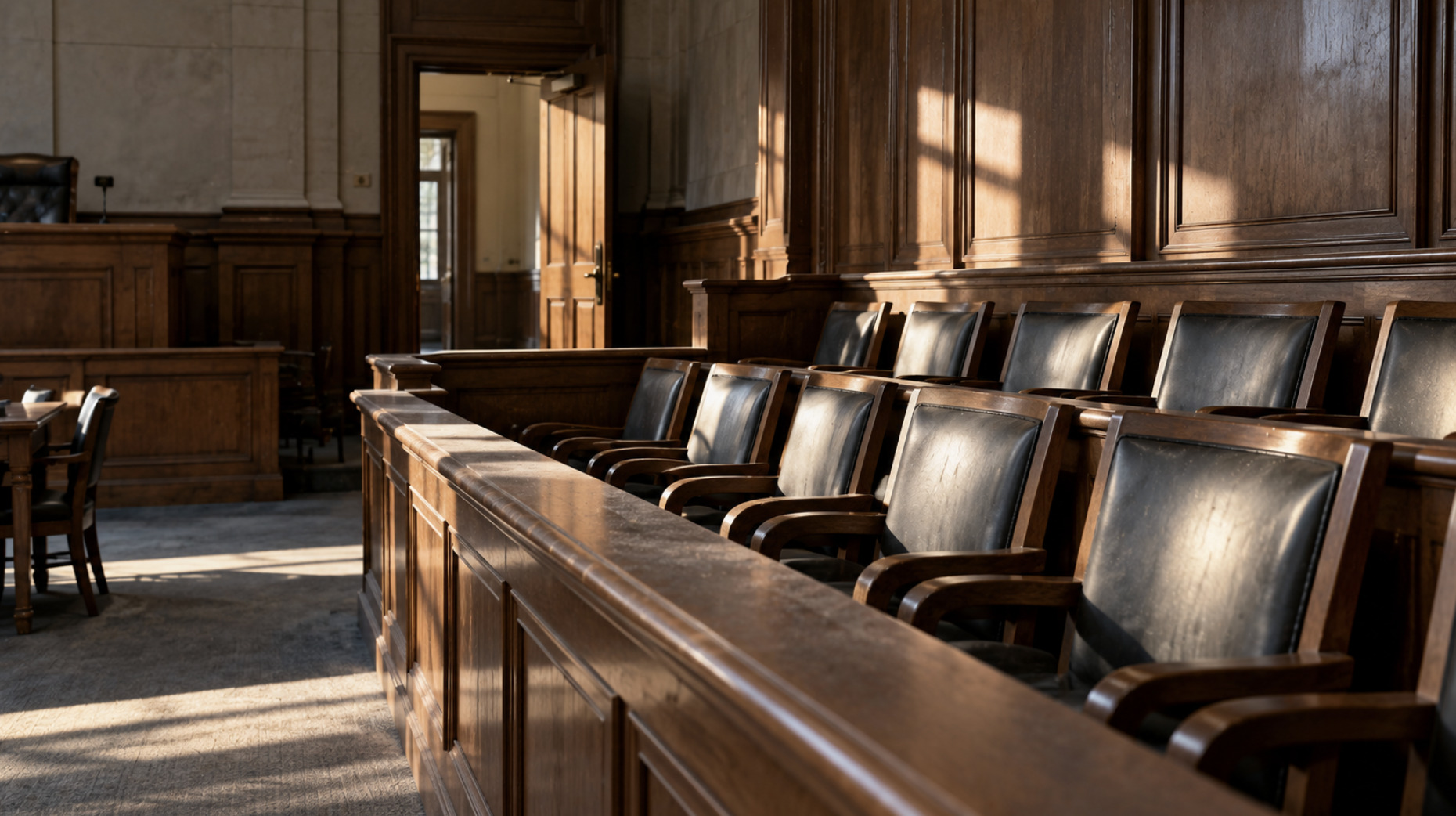
The public image of criminal justice is the trial: the courtroom, the jury of twelve, the evidence tested by argument, the verdict delivered after deliberation. It is the image enshrined in constitutions, dramatised in every legal film, and understood by most people as the way guilt is determined. It is also, in practice, a near-fiction. The overwhelming majority of criminal cases never reach a jury at all. They are resolved through plea bargaining — a negotiated deal in which the accused pleads guilty in exchange for a lesser charge or sentence. The trial has not been abolished. It has simply been replaced, quietly, by a machine most people do not know is running.
The disappearance of the trial
The scale of the shift is difficult to overstate and easy to miss, because it happened gradually and without announcement. In the modern criminal justice system, the share of cases resolved by trial has shrunk to a small remnant; the vast bulk are settled by guilty pleas negotiated between prosecution and defence. The jury trial, constitutionally guaranteed and culturally central, has become the exception — a rare event reserved for the small fraction of cases that do not settle. For the ordinary defendant, the question is not whether they will be tried but what deal they will take.
This is not how the system is supposed to work, at least not according to its own founding logic. The trial exists as the mechanism through which the state must prove its case, publicly and against challenge, before it can punish. When trials all but vanish, that testing mechanism vanishes with them, and guilt is determined instead in a private negotiation whose terms the public never sees. The machinery that has replaced the trial operates in the shadows of the courthouse rather than in its main hall, and its quiet dominance is one of the most consequential and least discussed features of how justice is actually administered.
How the deal actually works
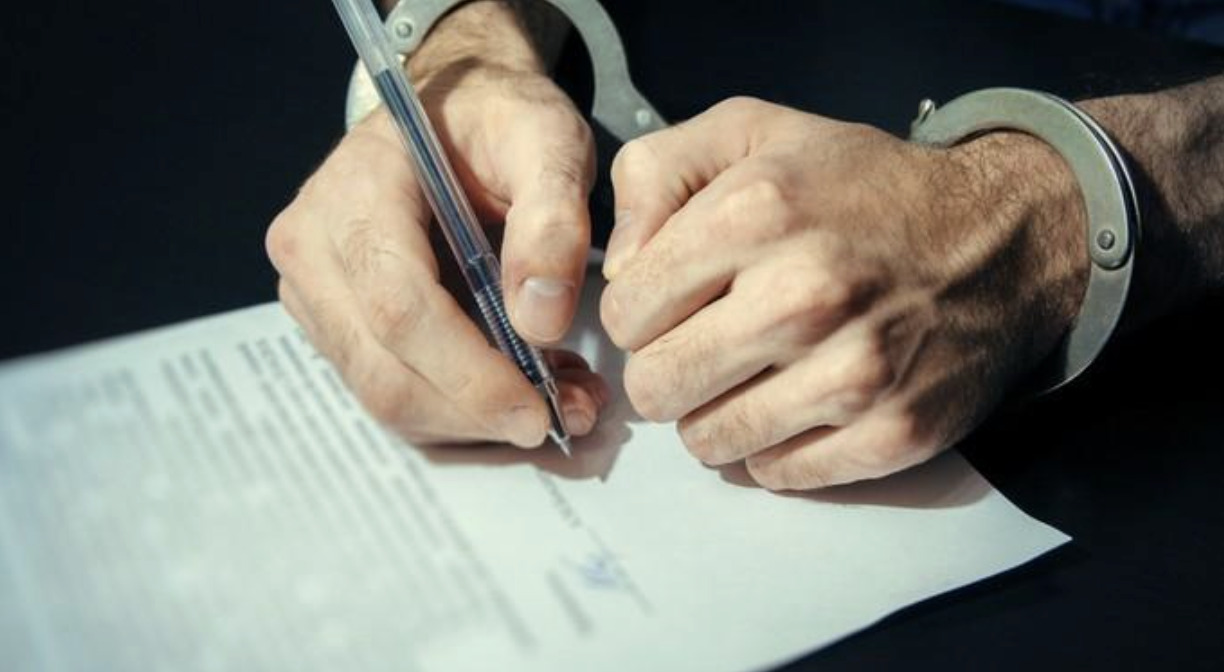
Plea bargaining, in principle, is a simple exchange: the defendant gives up the right to a trial and pleads guilty, and in return receives some benefit — a reduced charge, the dropping of additional counts, or a lighter sentence than they would risk at trial. Framed this way, it can sound like a reasonable compromise that spares everyone the cost and uncertainty of a full trial. Both sides get certainty; the system saves resources; the case is resolved.
The reality is shaped by the enormous imbalance of power in the negotiation. The prosecutor decides what charges to bring, and that decision sets the terms of the entire bargain. By charging aggressively — stacking counts, invoking offences that carry severe mandatory penalties — a prosecutor can construct a situation in which the gap between the offered deal and the potential sentence at trial is vast. The defendant is then choosing not simply whether to admit guilt, but whether to risk a catastrophic outcome by insisting on the trial they are constitutionally entitled to. The "bargain" is struck in the shadow of that threat, and the threat is largely within the prosecutor's control.
The coercion hiding inside a choice
Defenders of plea bargaining point out that no one is forced to take a deal; the defendant chooses. But the word "choice" carries a heavy load here, and examining it reveals the coercion embedded in the structure. When the difference between accepting a plea and going to trial is the difference between, say, a short sentence and the possibility of decades, the choice is real only in the narrowest technical sense. The pressure to accept, regardless of actual guilt, becomes overwhelming.
This is the mechanism's darkest feature: it can induce even innocent people to plead guilty. Faced with a modest guaranteed penalty against the risk of a devastating one, a rational person — particularly one who cannot afford prolonged legal battle, who is held in detention awaiting trial, or who distrusts their odds before a jury — may accept a deal for a crime they did not commit, simply because the gamble of trial is too dangerous. A system that presents such choices is not merely offering compromises; it is manufacturing guilty pleas through the structure of the incentives it creates. The coercion does not look like coercion, because it is dressed in the language of a voluntary agreement, which is precisely what makes it so effective and so easy to defend.
What is lost when trials disappear
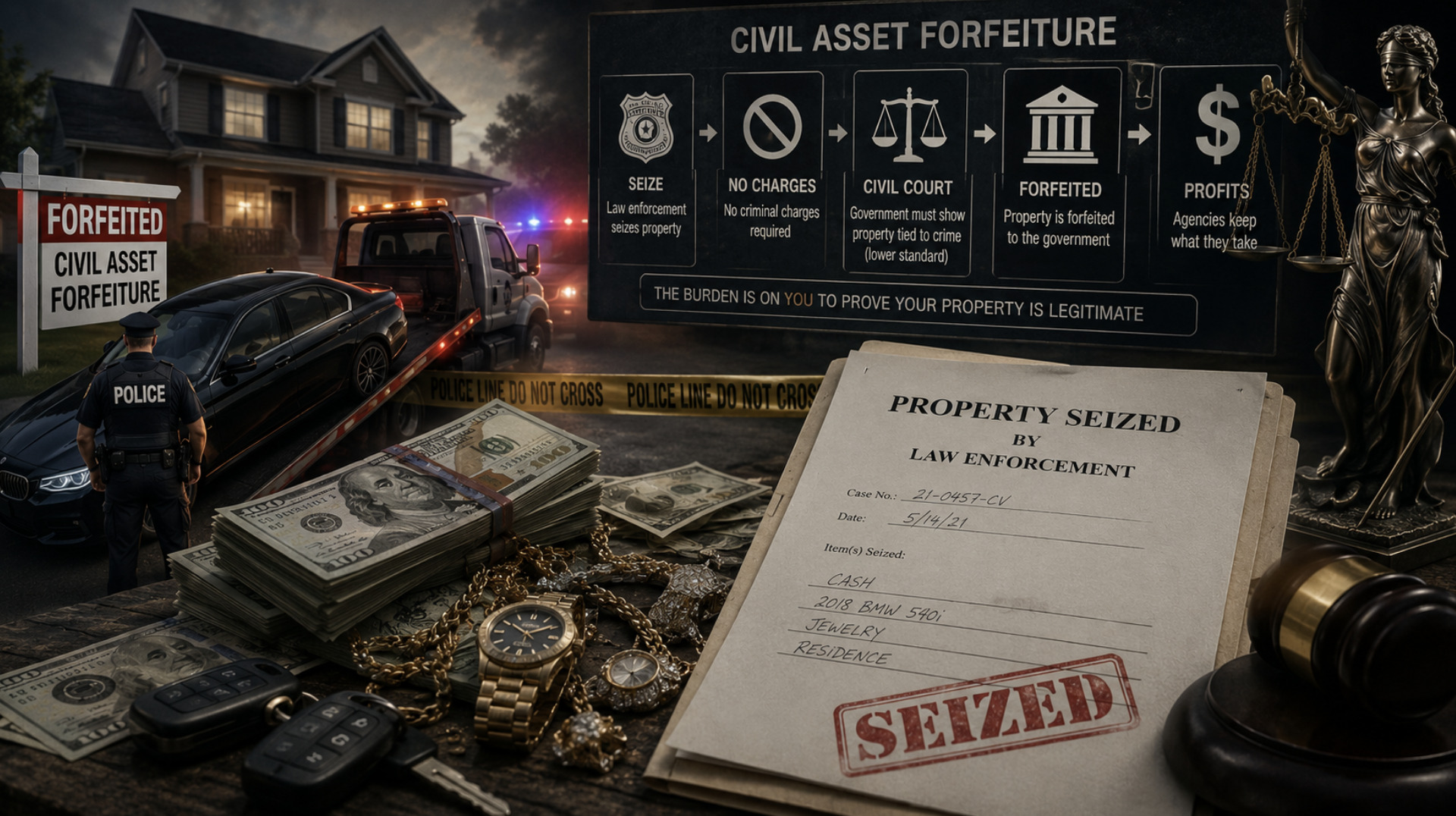
The costs of the plea machine extend well beyond the individual defendant to the integrity of justice itself. The trial is not merely a procedure; it is the point at which the state's evidence is subjected to scrutiny, where witnesses are questioned, where the case must survive challenge before punishment follows. When cases are resolved by plea, none of that testing happens. Evidence that might not withstand examination is never examined; misconduct that a trial might expose stays hidden; the public accountability that an open trial provides is replaced by a private deal. The machinery operates without the check that the trial was designed to be — a quiet erosion of transparency that echoes other places where accountability has drained out of the system, such as the civil forfeiture process that punishes property without convicting a person.
There is a systemic corrosion too. Because the plea machine depends on the threat of severe outcomes to induce deals, it creates an incentive to charge harshly, and it concentrates enormous, largely unreviewable power in the hands of prosecutors, who effectively determine sentences through their charging decisions rather than judges determining them after trial. The public, meanwhile, is left with a comforting image of juries and due process that bears little resemblance to how cases are actually decided. The gap between the story the system tells about itself and the machinery that actually runs it is not a minor discrepancy; it is a fundamental one, and it shapes millions of lives.
Why the machine persists
If plea bargaining carries these costs, the obvious question is why it dominates so completely, and the answer is largely about volume and resources. The system processes a vast number of cases, and it is not built to try more than a small fraction of them. Trials are slow and expensive; the plea machine is fast and cheap, and the entire apparatus has come to depend on the overwhelming majority of cases settling. In a real sense, the system could not function in its current form if defendants actually exercised their right to trial at scale — a fact that itself reveals how far practice has drifted from principle.
This dependence is what makes the machine so resistant to change. It is not the product of a single decision anyone made deliberately, but of an accumulated logic in which speed and throughput came to override the testing function the trial was meant to serve. Reforming it means confronting uncomfortable questions about resources, about the power of prosecutors, and about whether a system that resolves guilt through coercive negotiation can be called just at all. Those questions are rarely asked, precisely because the machine works so smoothly and so quietly that most people never notice it has replaced the thing they still believe is happening.
Conclusion
The jury trial remains the symbol of criminal justice, but the plea bargain is its engine. The overwhelming majority of cases are resolved not by testing evidence before a jury but by negotiated deals struck in the shadow of severe threats, in a process whose imbalances can pressure even the innocent to plead guilty. What disappears along with the trial is the scrutiny, transparency, and accountability that the trial was built to provide, replaced by a fast, cheap machine that concentrates power in prosecutors and operates almost entirely out of public view. The system persists because it depends on defendants not exercising the very rights the system claims to guarantee. Recognising the gap between the courtroom we imagine and the negotiation that has replaced it is the necessary beginning of any honest reckoning with how justice is actually done.