
How to Tell a Trustworthy Online Casino From a Risky One
By MHB Admin ·
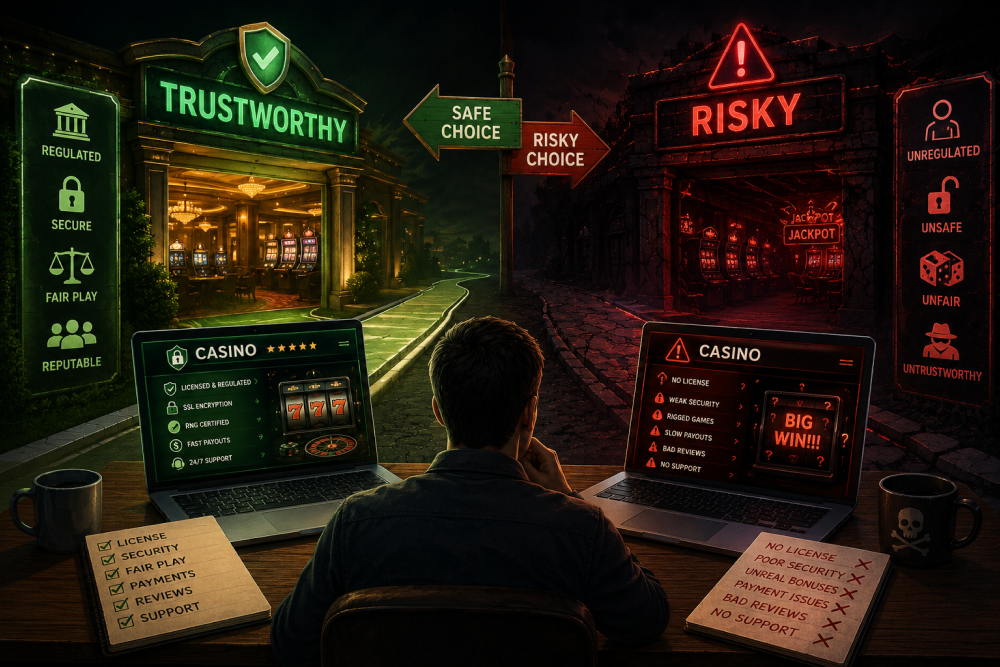
The online casino market has never been bigger, and that is exactly why it pays to be choosy. For every well-run, properly licensed operator, there are sites that bury unfair terms in the fine print, drag out withdrawals, or operate with no real oversight at all. The good news is that you can separate the reputable platforms from the risky ones in a few minutes if you know what to look for. Here is the checklist worth running before you ever make a deposit.
Start with the license
A legitimate casino is regulated by a recognized authority, and it says so openly. Look for a named regulator — bodies like the Malta Gaming Authority or the UK Gambling Commission are among the better known — usually footnoted at the bottom of the homepage along with a license number. Don't just take the badge at face value; the strongest operators link directly to their entry on the regulator's public register, where you can confirm the license is current. If you can't find a regulator named anywhere, treat that as a reason to walk away.
Check the security and fairness signals
Your money and personal data are only as safe as the site protecting them. The basics are non-negotiable: a secure connection (the padlock in your browser bar), a clear privacy policy, and modern encryption on payments. On the fairness side, reputable casinos have their games and random-number generators tested by independent auditors such as eCOGRA or iTech Labs, and they'll usually publish or reference those certifications rather than asking you to take their word for it.
Read the bonus terms, not just the headline
A "200% welcome bonus" means very little until you read what's attached to it. The number that actually matters is the wagering requirement — how many times you have to bet the bonus before you can withdraw anything from it. Reasonable terms are stated plainly; predatory ones are hidden, sky-high, or layered with game restrictions and short expiry windows. If the promotion sounds too generous and the conditions are hard to find, that mismatch is itself the warning.
Look at how money gets out, not just in
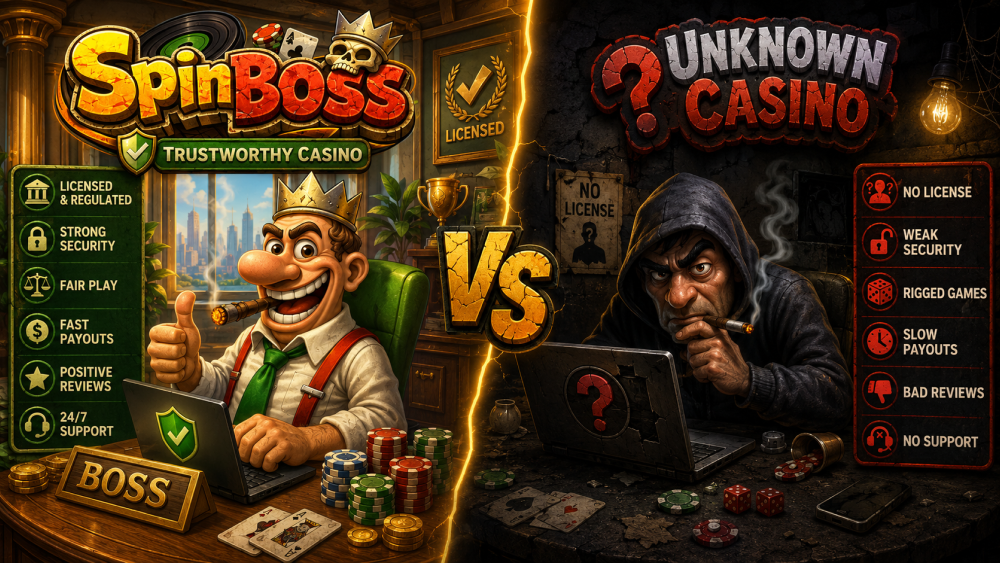
Deposits are always easy. Withdrawals are where weak operators show themselves. Before you sign up, find the cashier or banking page and check the supported payout methods, the stated processing times, and any withdrawal limits or fees. Honest casinos are upfront about all of it. A useful habit is to run this exact test on any platform you're weighing — if you're comparing options, you can pull up the game library and account settings on a site like SpinBoss and apply the same checklist before committing a cent. Vet every brand the same way and let the answers, not the marketing, decide.
Test the support before you need it
Responsive customer service is one of the clearest tells of a serious operation. Most reputable casinos offer live chat, ideally around the clock. Send a quick question before you register and see how fast and how usefully they reply. A vague or slow answer now tends to predict exactly how a real problem — a stuck withdrawal, a disputed bonus — will be handled later.
Make sure the responsible-gambling tools are real
This one doubles as a safety check and a quality signal. Well-run casinos give you genuine control: deposit and loss limits, session reminders, cooling-off periods, and straightforward self-exclusion. Operators that make these tools easy to find are the ones taking their players' wellbeing seriously. Their absence is a red flag.
Run through the whole list and the trustworthy sites separate themselves quickly. And whichever platform you land on, keep the basics in view: set your limits before you play, treat gambling as entertainment rather than income, and play only with money you can afford to lose. If it ever stops feeling like fun, step back and reach out to a problem-gambling support service in your area. Players must be of legal gambling age in their jurisdiction.